The cabling behind the wall outlives three generations of switches. Getting the passive layer right is the cheapest performance decision a business ever makes.
Switches get replaced every few years. Access points get replaced more often than that. The cabling behind the wall usually outlives all of them — which is exactly why it deserves more attention than it normally gets during a fit-out.
The passive layer sets the ceiling
No amount of switching capacity compensates for a cabling run that was terminated badly, routed alongside a power cable, or pulled beyond its bend radius. Once the walls close, those faults become expensive to find and disruptive to correct. Intermittent link drops, ports that negotiate at a lower speed than expected and errors that appear only under load usually trace back to the passive layer rather than the equipment plugged into it.
Decisions that pay off later
- Specify one category above today's need. The cost difference at installation is small; re-cabling an occupied office is not.
- Keep runs within the standard length limit. Plan intermediate cabinets rather than stretching a run and hoping.
- Separate data from power. Maintain spacing from mains cabling and cross at right angles where the two must meet.
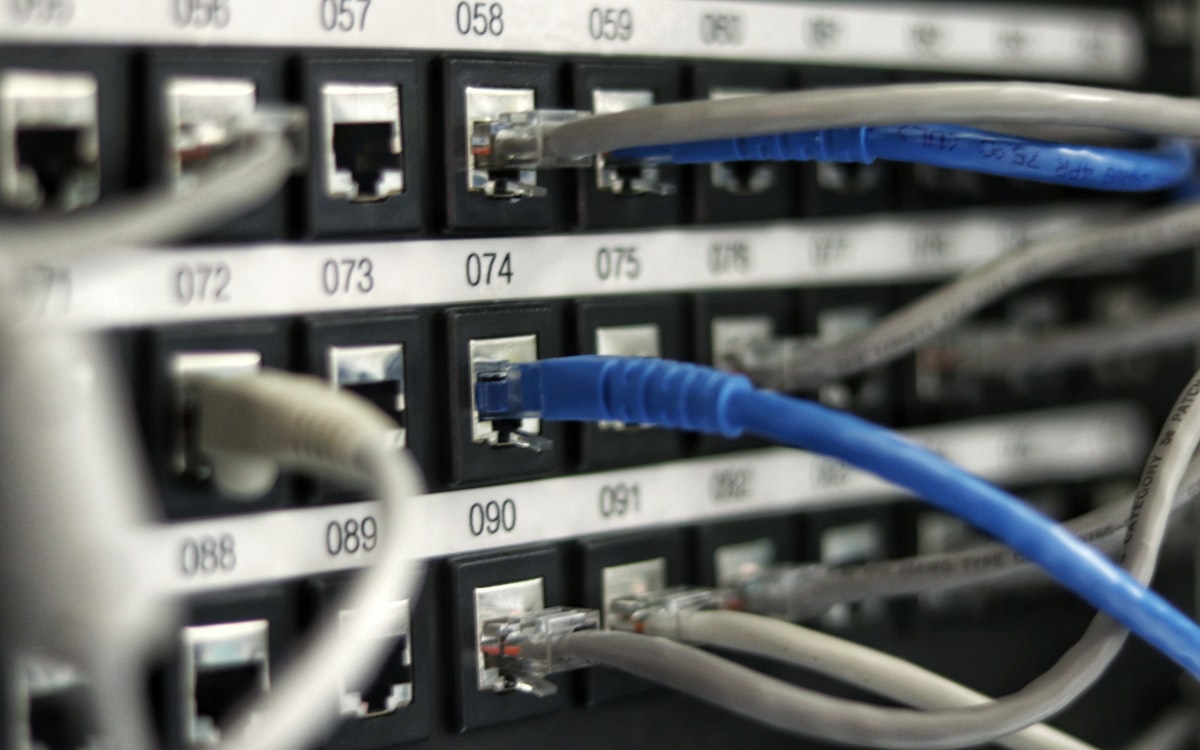
- Label at both ends, at the time of installation. Labels added later are guesses; labels added during the pull are facts.
- Leave spare capacity. Spare outlets at each desk position and spare cores in the backbone cost far less now than a second installation later.
Test, and keep the results
A visual check is not a test. Certified testing of every run, with the results kept as a document, gives you a baseline: when a port misbehaves in two years, you can tell whether it always did or whether something changed. Ask for the test report as part of the handover rather than as an afterthought.
Getting the passive layer right is the cheapest performance decision a business makes — and the most expensive one to revisit.
Plan the cabinet, not just the cable
Patch panels, cable management, rack space for growth, power distribution and ventilation all belong in the same plan as the cabling. A rack that is neat on day one but has no spare U, no managed patching and no airflow allowance becomes the bottleneck for every change that follows.
 KK IT Solutions Team
IT infrastructure, hardware supply and electronic security
KK IT Solutions Team
IT infrastructure, hardware supply and electronic security