Power, cooling, cable management and physical access. Four fundamentals that determine whether a server room stays reliable as it fills up.
A server room rarely fails on day one. It fails eighteen months later, once it has filled up — and almost always for one of four reasons that were decided at the beginning.
Power
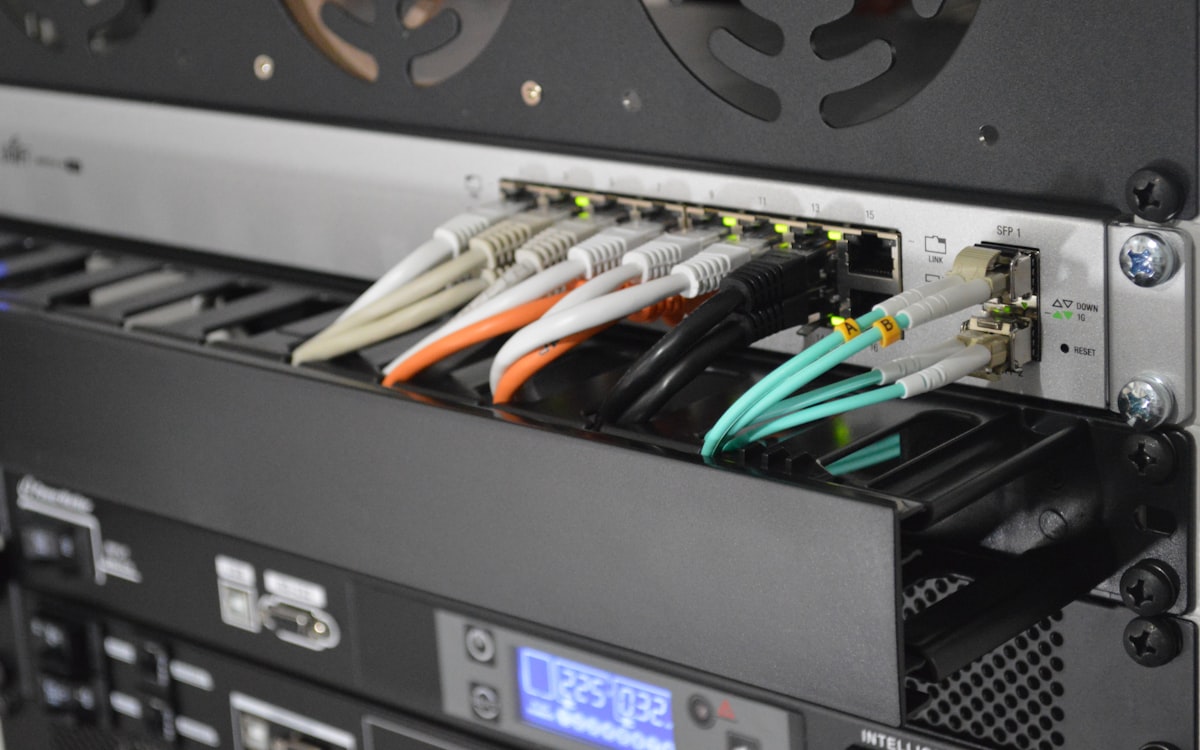
Size the supply for what the room will hold when it is full, not for what goes in first. Plan dedicated circuits rather than shared ones, decide how the UPS is sized and how long it must sustain the load, and confirm what an orderly shutdown looks like when that time runs out. Distribution inside the rack deserves the same thought: metered PDUs make it possible to see actual draw instead of estimating it.
Cooling and airflow
Equipment draws cool air at the front and rejects hot air at the back. That only works if the room lets it: racks facing the same way, blanking panels in unused U, and no recirculation of exhaust air back to the intakes. A room that is cold at the door but hot behind the racks has an airflow problem, not a capacity problem.
Worth deciding before anything is installed
- Rack layout with clearance at the front and rear for access.
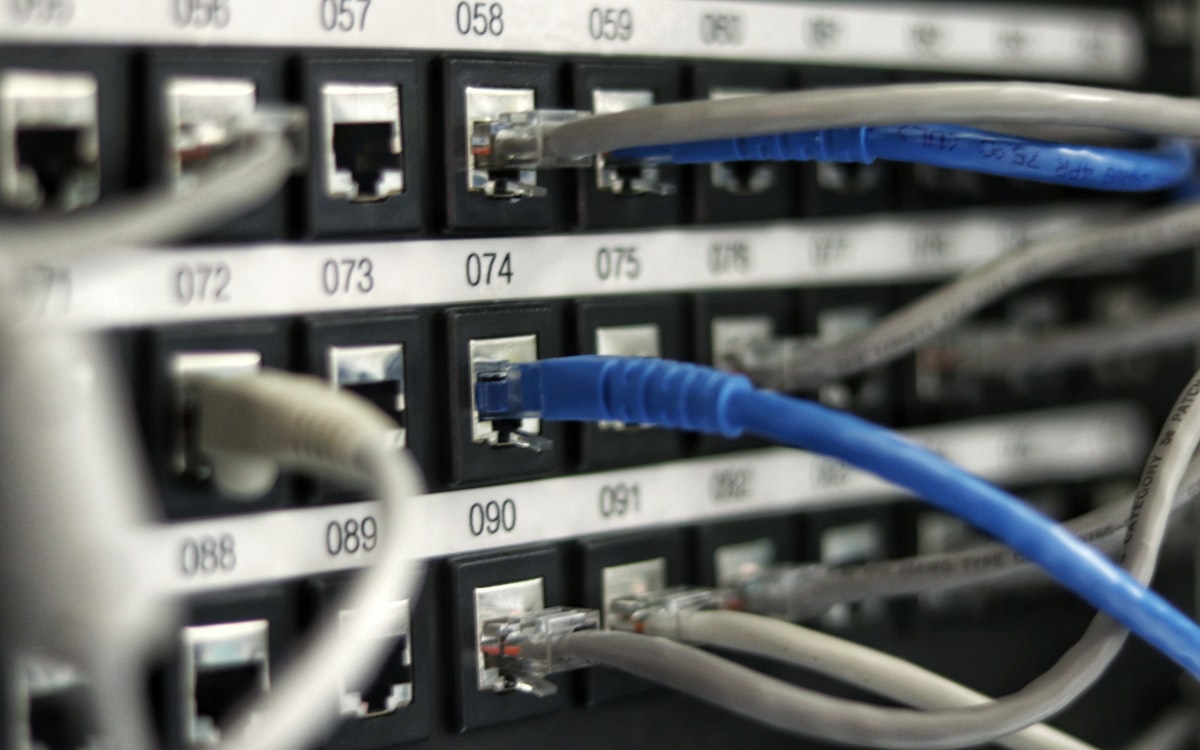
- Cable routing separated from power, with slack managed rather than coiled behind equipment.
- Patching strategy so a change means moving a patch lead, not tracing a permanent run.
- Physical access — who enters, how it is controlled and whether it is recorded.
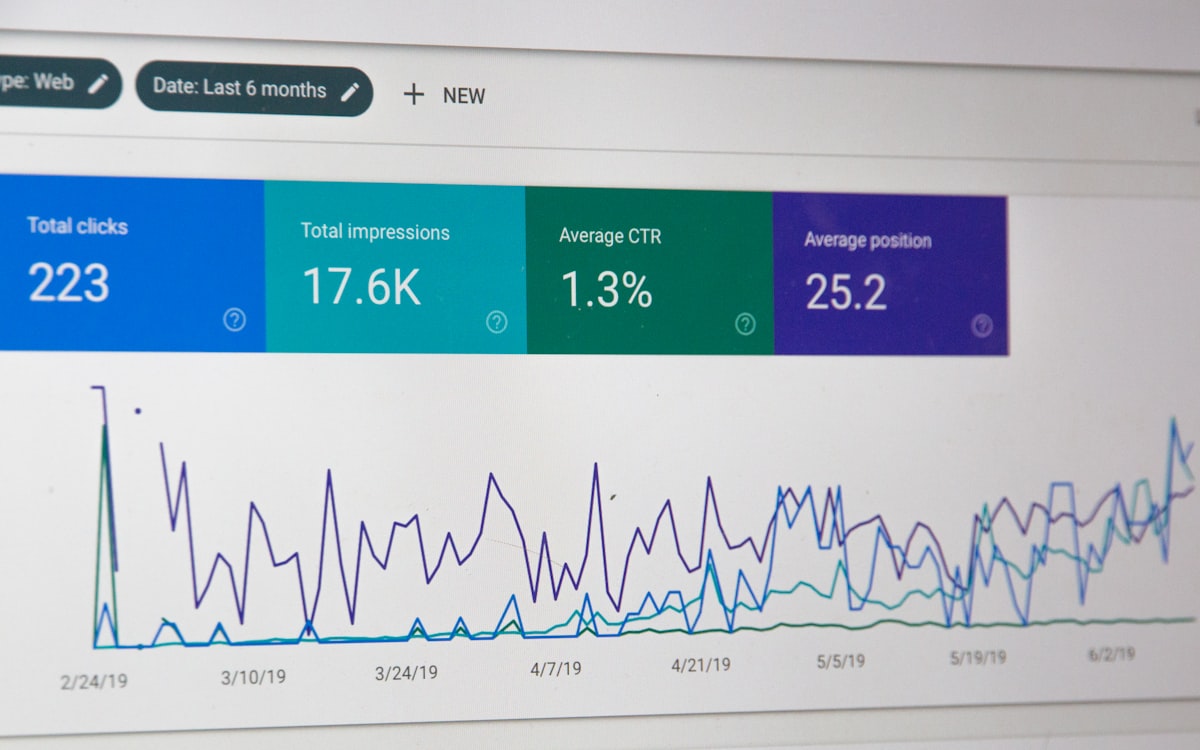
- Environmental monitoring for temperature, humidity and water, with an alert that reaches somebody.
Leave room for the second half of the equipment. It always arrives.
Physical security and housekeeping
A server room used as a store room stops being a server room. Keep it locked, keep cardboard and consumables out of it, keep the floor clear, and keep an up-to-date diagram of what is installed where. Every one of those is free, and every one of them shortens the next fault-finding session.
 KK IT Solutions Team
IT infrastructure, hardware supply and electronic security
KK IT Solutions Team
IT infrastructure, hardware supply and electronic security